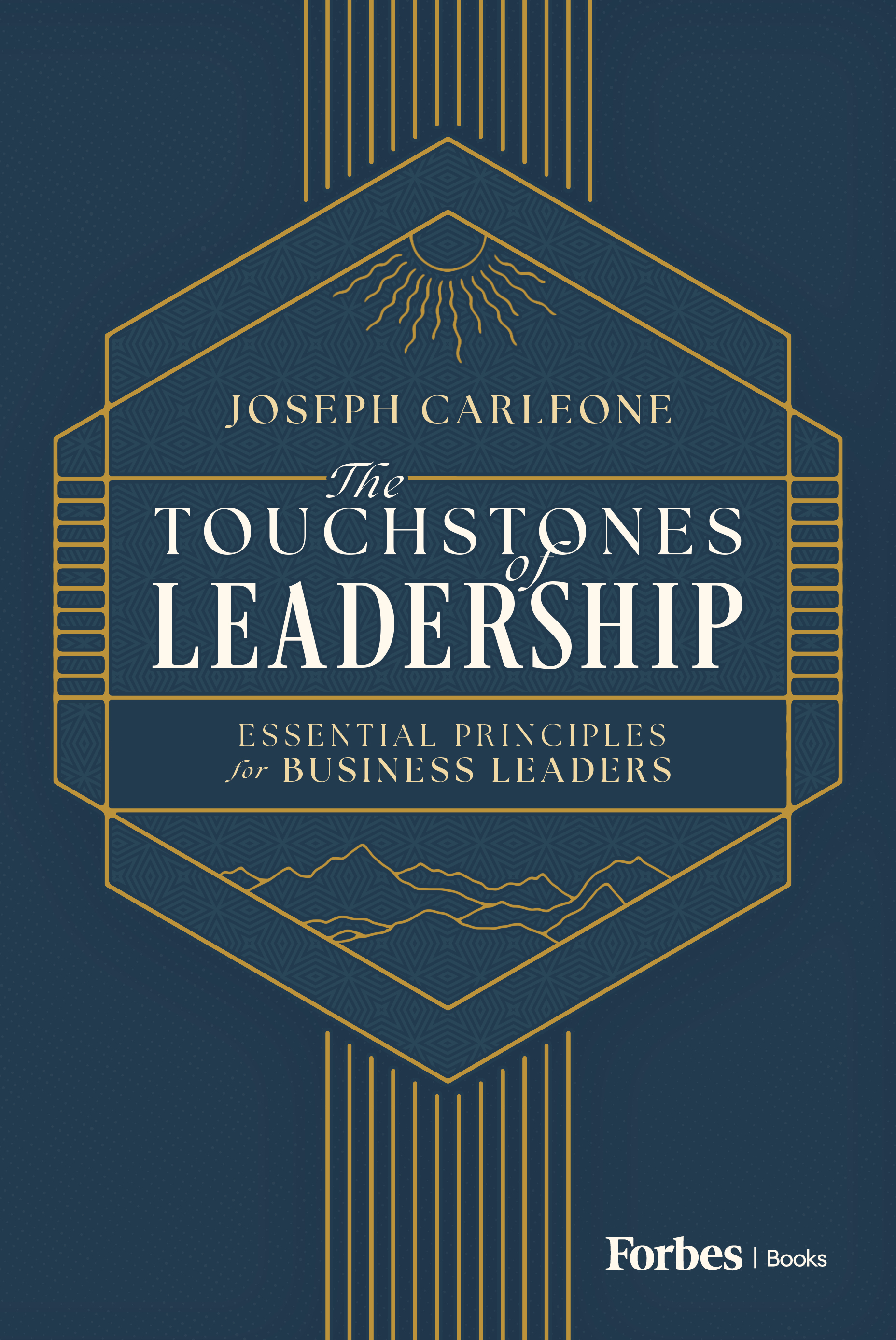
What if everything you needed to know about leadership fit
on forty-five index cards? Joseph Carleone's The Touchstones of
Leadership delivers exactly that. With a career that ran from rocket
motors to pharmaceutical plants, Carleone brings decades of hard lessons into
punchy one-liners that are as revelatory as they are thought-provoking, such as
“Never mistake activity for achievement” or “Once you get into a hole, stop
digging.”He sorts them into a four-part model that teaches leaders how to
manage themselves, handle people, deal with the hard work, and create winning
strategies. Unlike most thought leaders, this author argues that leaders and
managers are not different people, and that charisma is overrated. Good leaders
do both jobs: they measure success by results, and act as “responsible realists”
accountable to every stakeholder, not just shareholders. Each touchstone gets a
short, sharp chapter blending research from Covey, Drucker, and Porter with
stories from the author’s own turnarounds. It grew out of a leadership course
he taught to executives, and you'll quickly notice it is
not a textbook but a toolkit for anyone who wants to lead effectively.
The Touchstones of Leadership provides valuable
answers to the following questions: How can leaders be great if they lack the
management skills to challenge plans and execute? And how can managers be great
if they lack the strategic vision to know which things are
worth doing right? The author writes about trust, illustrating how it motivates
people, kills bureaucracy, and turns problems into great opportunities for
growth. You’ll love Joseph Carleone's practical: expect more from people
and they'll deliver, never chase glory when excellence pays better, and get bad
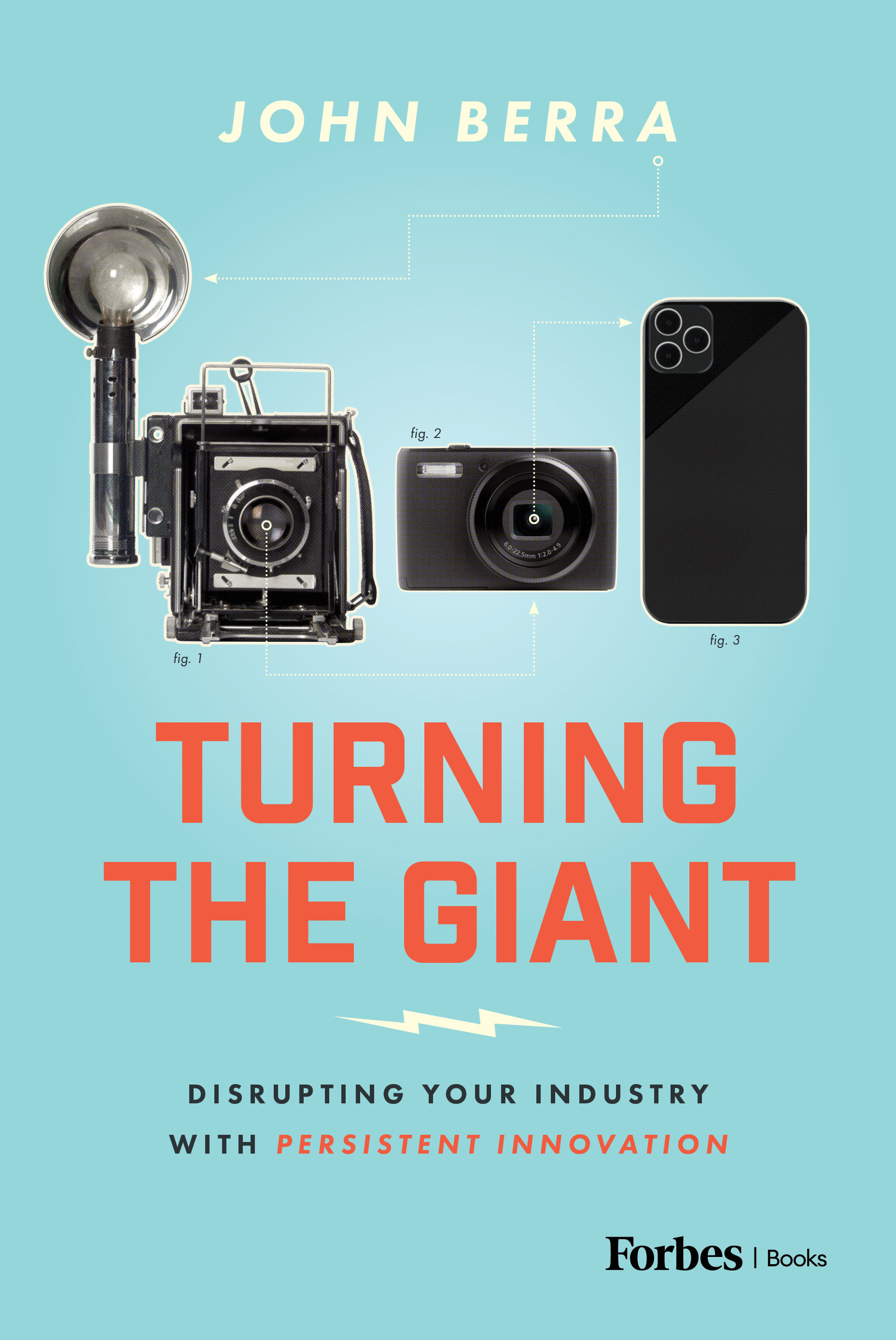
news out fast. These touchstones are the common sense of leadership, the wisdom to internalize, not slogans to memorize. The prose is elegant, and the voice is shop-floor direct, more seasoned boss than management guru, with case studies from Takata's airbags to Kodak's collapse doing the explaining. New managers,
rising executives, and small-business owners will get the most from this book.





 Mommys_Boy_6x9.jpg)





.jpg)






































.jpg)


.jpg)






.jpg)






.jpg)
.jpg)












.jpg)





 (2).jpg)



.jpg)










.jpg)




.jpg)




.jpg)




















.jpeg)






.png)



 (1).jpg)




.jpg)






.jpg)