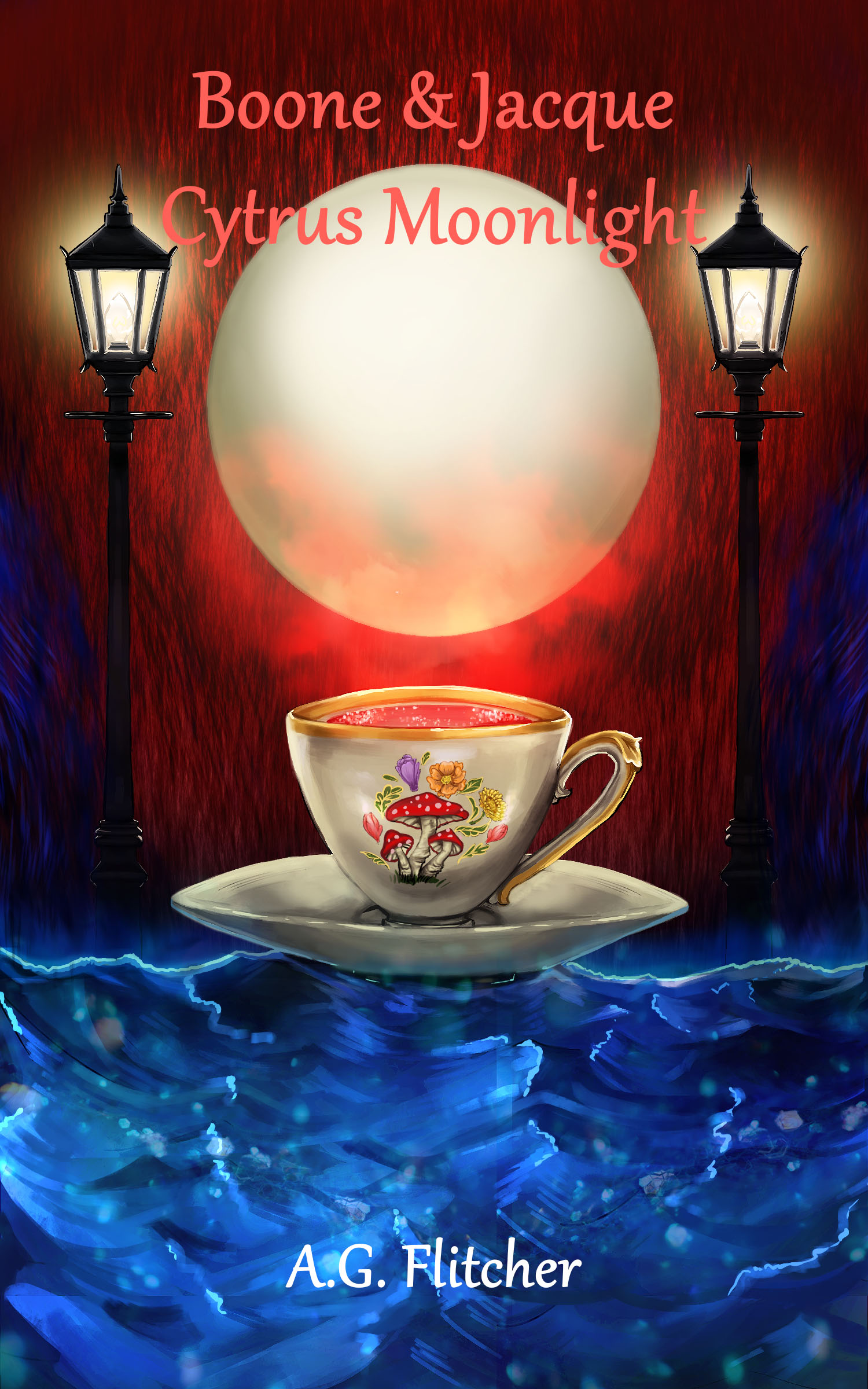
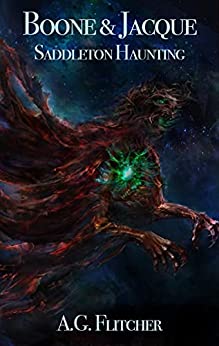
Black Rose Cocoon by A.G.
Flitcher is a gripping narrative that intertwines characters' lives steeped in a chilling atmosphere of secrecy, horror, and dark familial
connections. It is 1986, and a dark cloud of despair hovers over the streets of
Halburton City as a serial killer targets the community's children. The pain of
loss reverberates through the hearts of those closest to the victims, revealing
a chilling truth — the true horror lies not just in the murders but in the
emotional scars that haunt the survivors. As the body counts, the drama and the
sinister events lead to an enthralling courtroom drama. Can the evil be
stopped? The characterization in the novel is profoundly compelling, with each
character enveloped in their motivations, brokenness, and moral dilemmas.
Chelsea Shalt, in particular, is an enigmatic focal point. Her complex
personality—mixing childhood trauma, potential psychopathy, and an underlying
need for connection—creates a sense of dread that permeates the narrative and
challenges the reader's understanding of innocence and guilt.
The thematic development in Black Rose Cocoon
centers around familial bonds twisted by violence and trauma.
Themes of control, identity, and horror are explored through familial
relationships, especially between parents and children. The
novel suggests that evil often lurks not just in external figures but within
the family unit itself, highlighting the repercussions of neglect and emotional
abuse. The stark portrayal of parental failure emphasizes the fragility of
innocence. Complex emotions are illustrated through characters such as Moritus
Tygrah, whose actions are grounded in a misguided sense of duty and protection
toward his daughters, revealing the darkness that can underpin seemingly ordinary
domesticity. The narrative is structured into five acts, each revealing layers
of conflict and tension as truths are unearthed. The prologue sets a foreboding
tone, establishing a world where violence and horror are commonplace. The
central conflict emerges from the Tygrah family's tragic downfall, growing as
secrets unfurl and intertwining histories come to light. The reader is thrust
into a world turned upside down by betrayal.
A.G. Flitcher is a master in crafting conflict, arising not only externally—between characters and societal pressures—but also
internally, as the characters struggle with their past and identity. Chelsea's
struggle to reconcile her violent impulses with her longing for love and
acceptance is a focal point against the backdrop of the overarching horror
narrative. The conflict between Kelly's desperate search for her sister Milly augments
the urgency. It adds depth to the narrative, amplifying themes of
familial disconnection and the frightening repercussions of one’s hidden
secrets. This novel will appeal to fans of psychological thrillers. The darkness
permeates the narrative, and even towards the end, before the execution of Chelsea,
an audio message of her promises more violence: “More of me will come. More
pain will come. Their pain will be beautiful, and he will be there to celebrate
it with them.” The writing is gorgeous, and the drama never falters, enhanced by the deftly crafted dialogues and terrific descriptions. This suspenseful novel is a winner.



 Mommys_Boy_6x9.jpg)

.jpg)














.jpg)

.jpg)

.png)











.jpg)


.jpg)















.jpg)


.jpg)









.jpg)
.jpg)
.jpg)