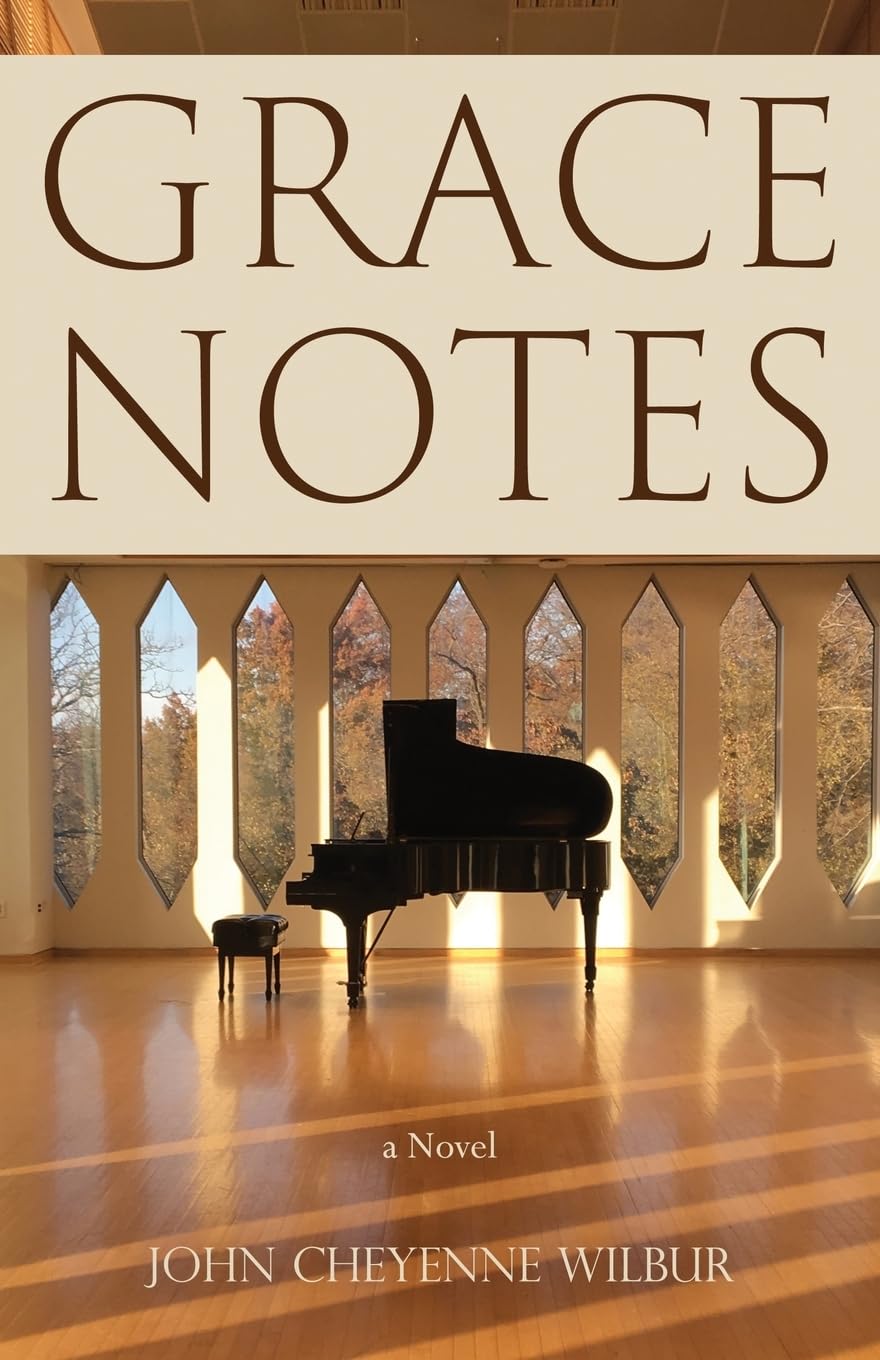
John Cheyenne Wilbur’s Grace Notes is
autobiographical fiction following Jerry Cradleman, a sensitive New Jersey kid
who never quite feels at home anywhere. A soul-crushing week at Bobby Knight’s
basketball camp awakens a mysterious dread, and getting cut from his high
school team deepens his isolation—until a young minister and his wife offer him
refuge, setting him on an unlikely path: Oberlin, Princeton Seminary,
ordination, and a hunger ministry in Sacramento. But Jerry's faith is more
yearning than certainty. When his best friend’s suicide, a painful breakup, and
a spectacular pulpit meltdown send him spiraling, he embarks on a winding
quest—from a Jungian retreat in Napa to free-spirited Port Townsend to
Jerusalem itself—to confront buried childhood trauma and finally meet the God
he’s been unwittingly chasing.
Wilbur writes with disarming honesty and gentle humor, and
Jerry is an endearing, flawed guide whose “home meter” becomes a compass
readers learn to trust. The supporting cast—mercurial Adam, guarded April,
Holocaust-haunted Dr. Beker—are vividly drawn and human. The novel unfolds in
an episodic structure that reflects Jerry’s restlessness, and the plot
deliberately meanders rather than drives. So, the novel’s grip comes from his
interior unraveling and healing rather than external action. Pacing is
unhurried but purposeful, building quietly toward two scenes that are cleverly
executed: the Taos hypnotherapy session and the Jerusalem encounter. The author
uses “grace note” as a metaphor that resonated with me: we're all grace notes,
small yet essential. This metaphor elegantly unifies themes of abuse, faith, belonging,
and the feminine divine. This is a warm, searching, and deeply human journey
that floods the soul with its spiritual and emotional currents. A rare gift of
faith.




 Mommys_Boy_6x9.jpg)





.jpg)








































.jpg)

 JPEG.jpg)













.jpg)







































































.jpg)