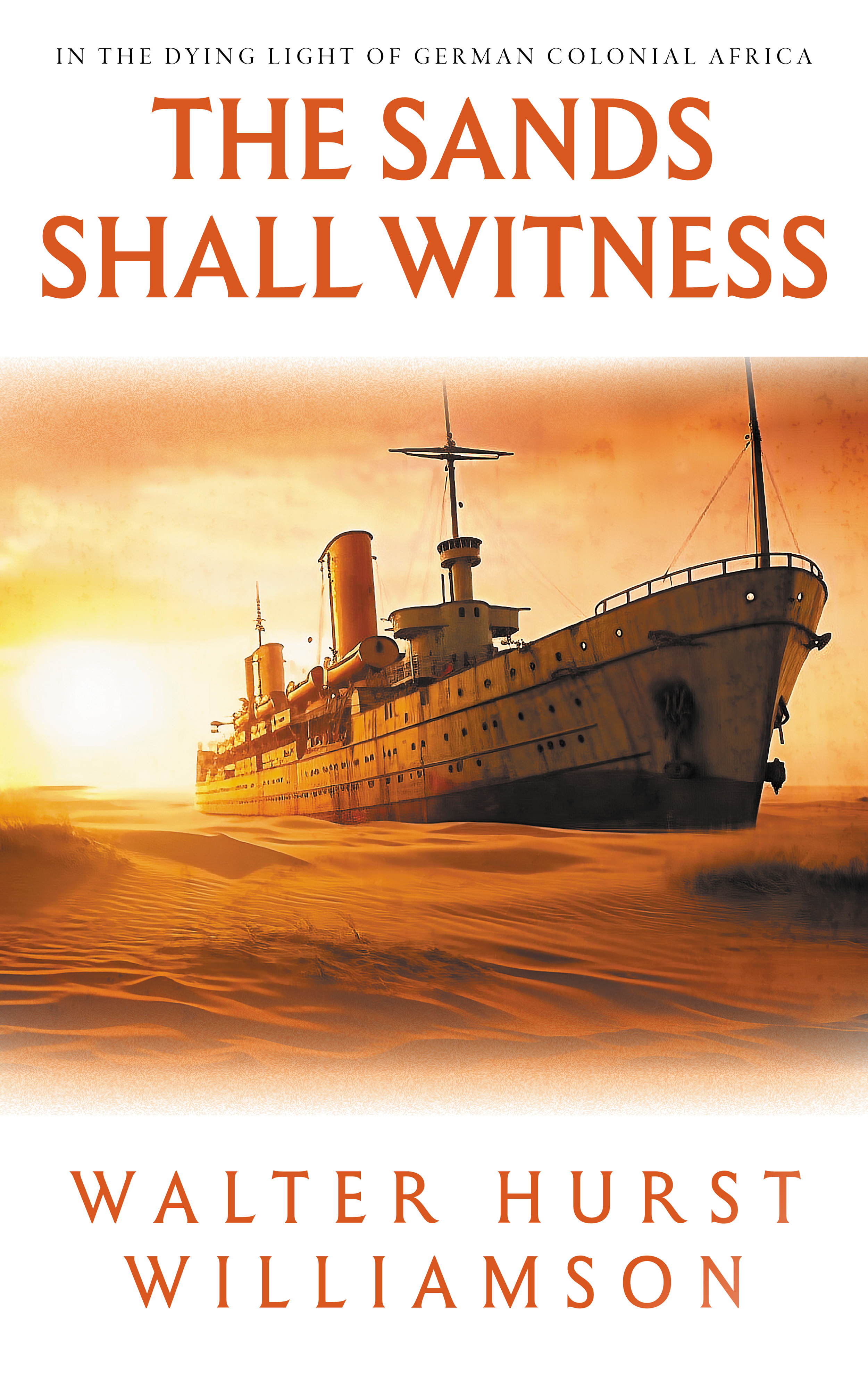
Walter Hurst Williamson’s The Sands Shall Witness is
set in German South West Africa from 1903 to 1905. The story follows
Conrad Huber, a penniless, shy young German who accepts a job as aide to the
colony's commissioner. He hopes to lift his mother out of poverty. Instead, he
tumbles into a tinderbox of scheming soldiers, resentful tribes, and the
genocidal General von Trotha. The Herero and Nama genocide is in full swing. Then
there is Sybille, secret daughter of Chief Samuel Maharero and the Herero
housemaid, whom Conrad loves, loses, and finally rescues from the horrors of
Shark Island. When his own cousin discovers them, they are branded as traitors
and flee into the Kalahari, dodging lions, patrols, hyenas, and one
unforgettable crocodile before reaching Bechuanaland. What awaits them when
they meet other survivors?
Williamson crafts a story filled with unforgettable
characters and worldbuilding that literally sucks you in, taking you through baking
rail cars, Windhoek's dusty beer halls, and the fairy-tale menace of Lüderitz,
all startlingly alive and grounded in meticulous historical research. The story
melds elements of a war story, romance, and survival odyssey into one
propulsive narrative. The pacing builds patiently from administrative intrigue
to the thunder of Waterberg, then tightens into a breathless desert chase. The
action is harrowing and never gratuitous, and side characters—loyal Petyr, dour
Erwin, the lion dogs—steal every scene. Best of all, Conrad is no white savior;
he's a decent man whose every intervention makes things worse, while Sybille’s
pride, intelligence, and grit infuse the story with an emotional current that
sweeps everything along. The Sands Shall Witness is a resonant, heartbreaking
tale with unexpected twists that cleverly examines complicity, colonial
violence, and resistance.




 Mommys_Boy_6x9.jpg)



.jpg)