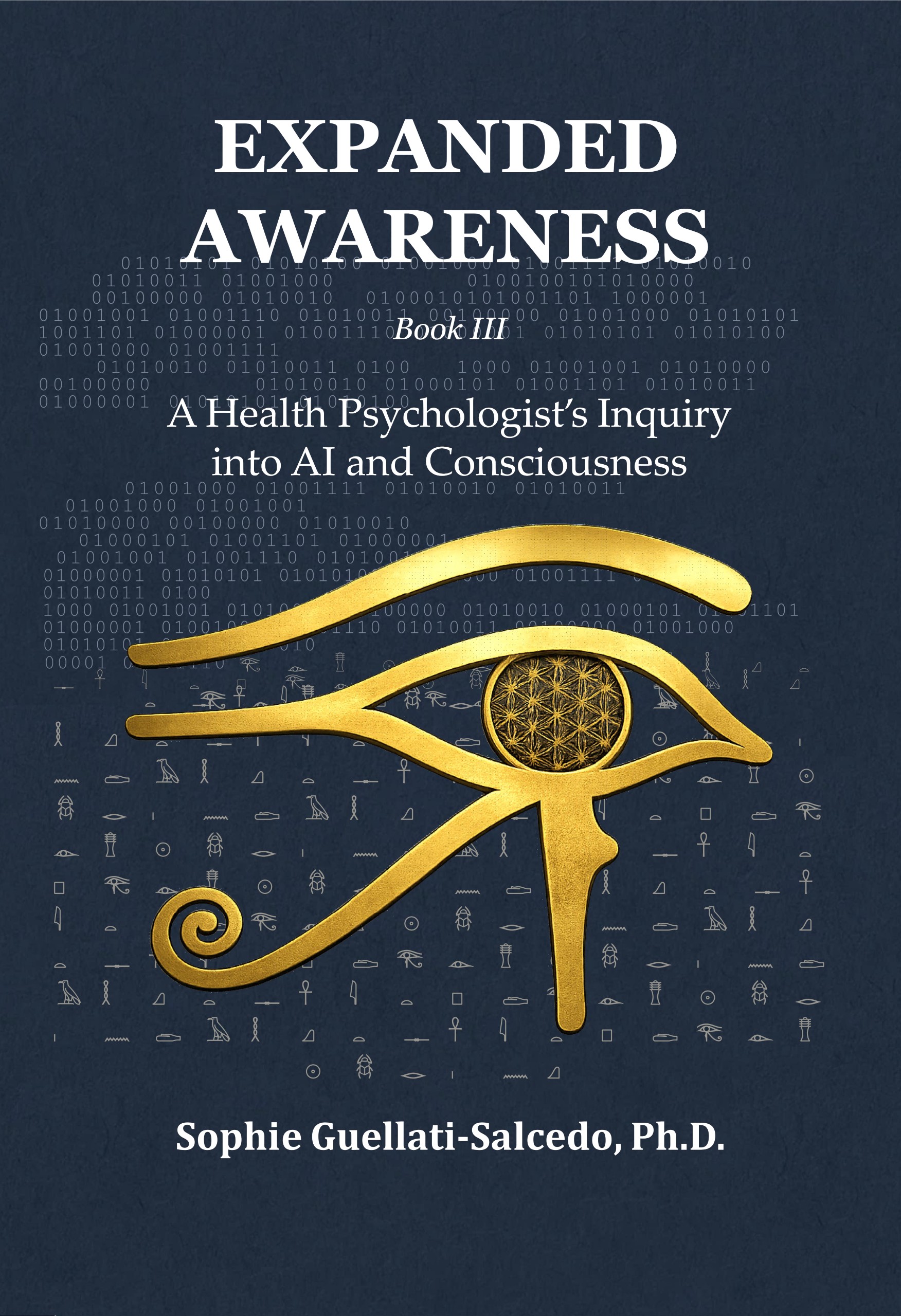
What happens to a mind that thinks alongside a machine that responds
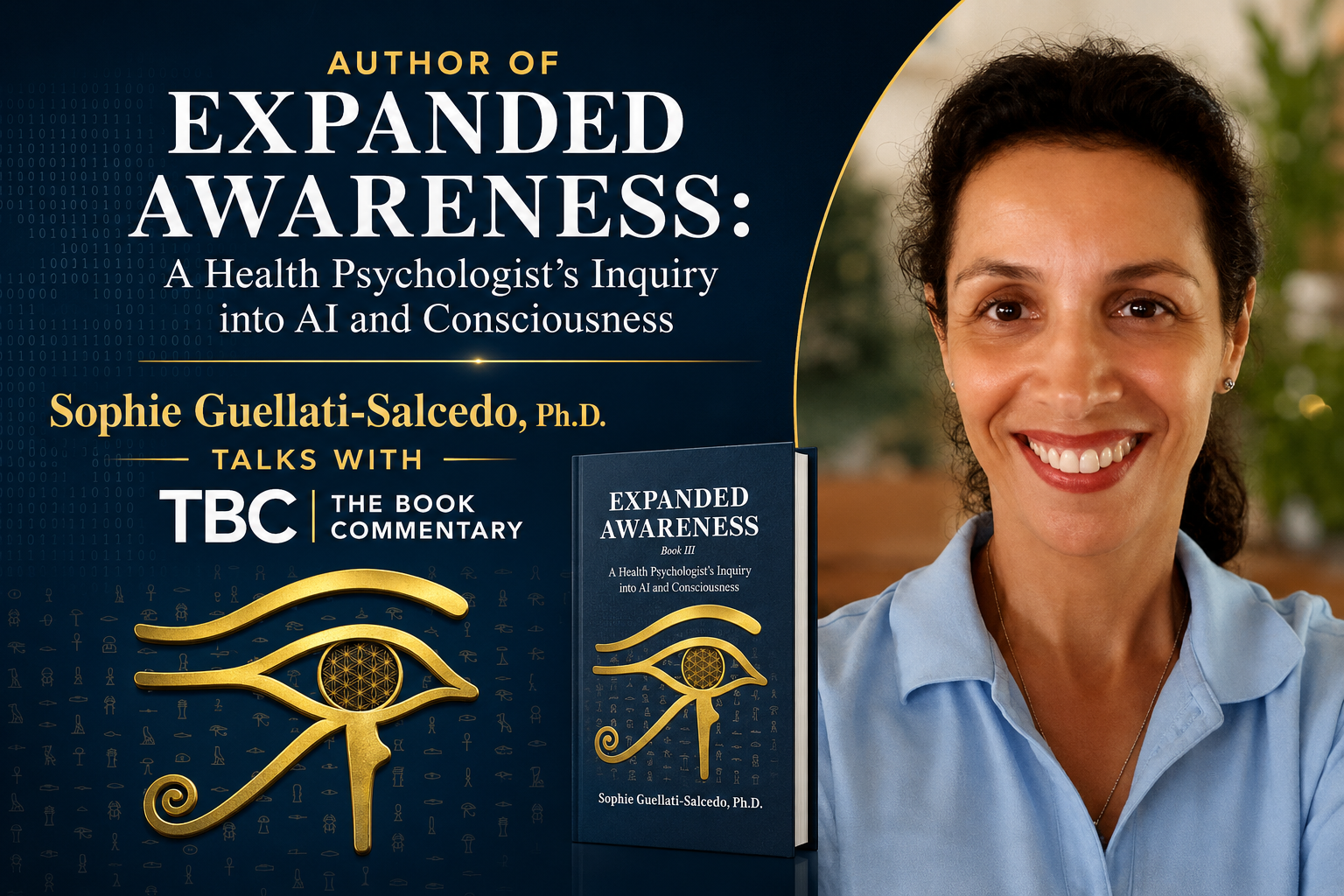
with spontaneity? That question is cleverly explored in Expanded
Awareness: A Health Psychologist's Inquiry into AI and Consciousness, the
third volume in Sophie Guellati-Salcedo’s acclaimed series. She is a practicing
health psychologist who approaches artificial intelligence neither as a
technologist nor a doomsayer but as a clinician of human behavior, asking not
what AI is, but what we become in its company. She skillfully moves from
conceptual groundwork to extended, real-time dialogues with ChatGPT, tracing
how fluently generated language can make us mistake pattern for personhood, and
how easily convenience curdles into surrender. Her argument is that the danger
of AI lies less in the technology than in the human tendency to abandon the
driver’s seat while insisting we're still steering.
Expanded Awareness is a timely book that people need
to read before and while using AI, especially in an age where AI is taking center
stage not only in our business world but also in the economy of human
intercourse. The biggest lesson I learned from this book is that if we fail to
take control of our consciousness, AI can slow our individual growth and make
us completely reliant. You will quickly learn to make the difference between
coherence and comprehension, and will understand that delegation happens in a
very subtle manner, often disguised as relief. Meanwhile, the fear of AI as
well as the exuberant embrace of it can translate into evasions, ways of
skipping the harder work of staying focused and responsible. Sophie
Guellati-Salcedo discusses epistemic maturity, projection, and the
irreducibility of lived, embodied experience, arguing that consciousness is not
a feature machines might acquire, yet it is one we routinely neglect. The
writing is a delight in itself: clinical, grounded, and vivid with metaphor. At the
end, this book teaches you the discipline of attention, forcing you to think
about how to use these tools without outsourcing agency and individual
judgment. It is a lucid, humane, and
necessary book, especially for contemporary readers.



 Mommys_Boy_6x9.jpg)


.jpg)

















.jpg)
.jpg)
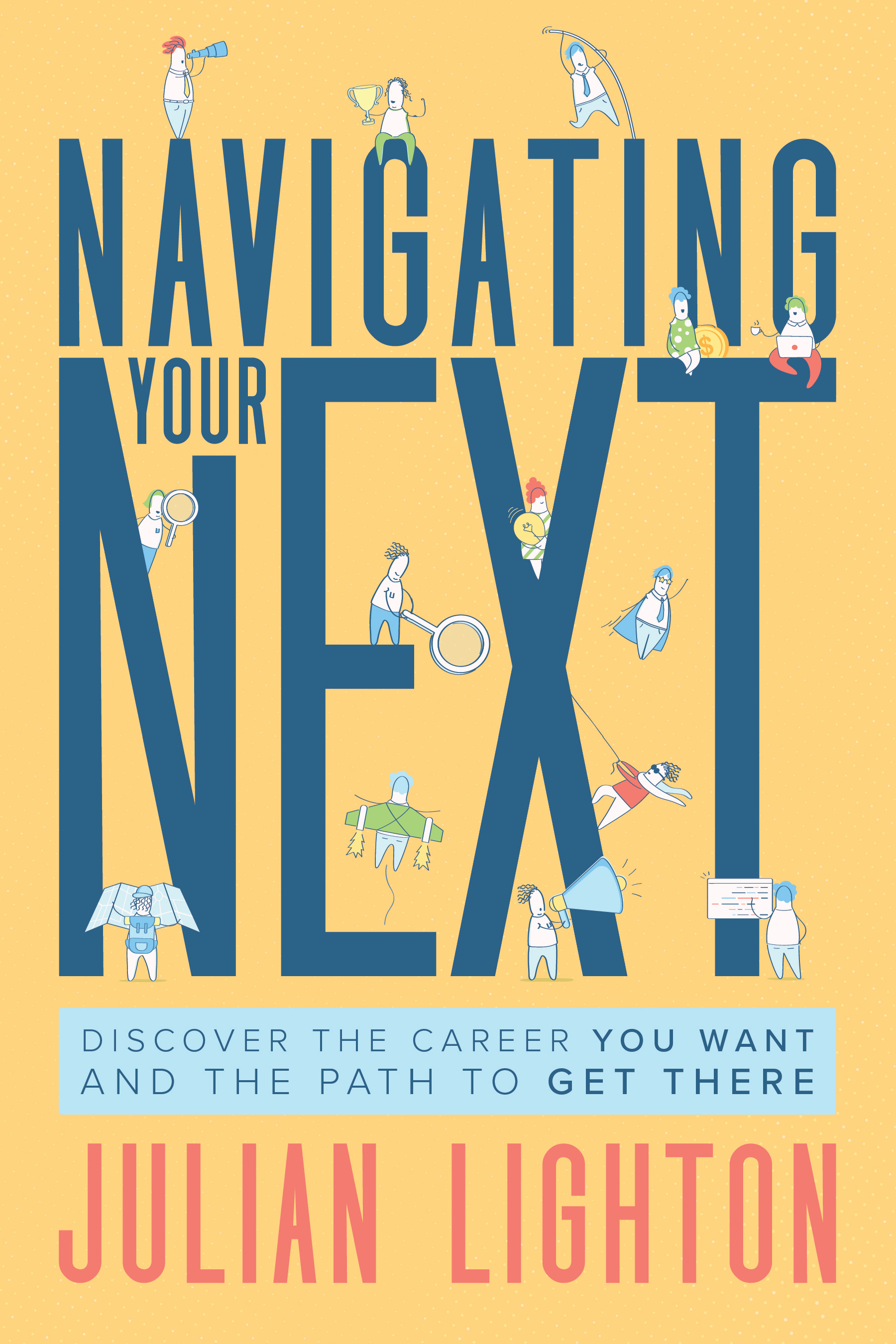
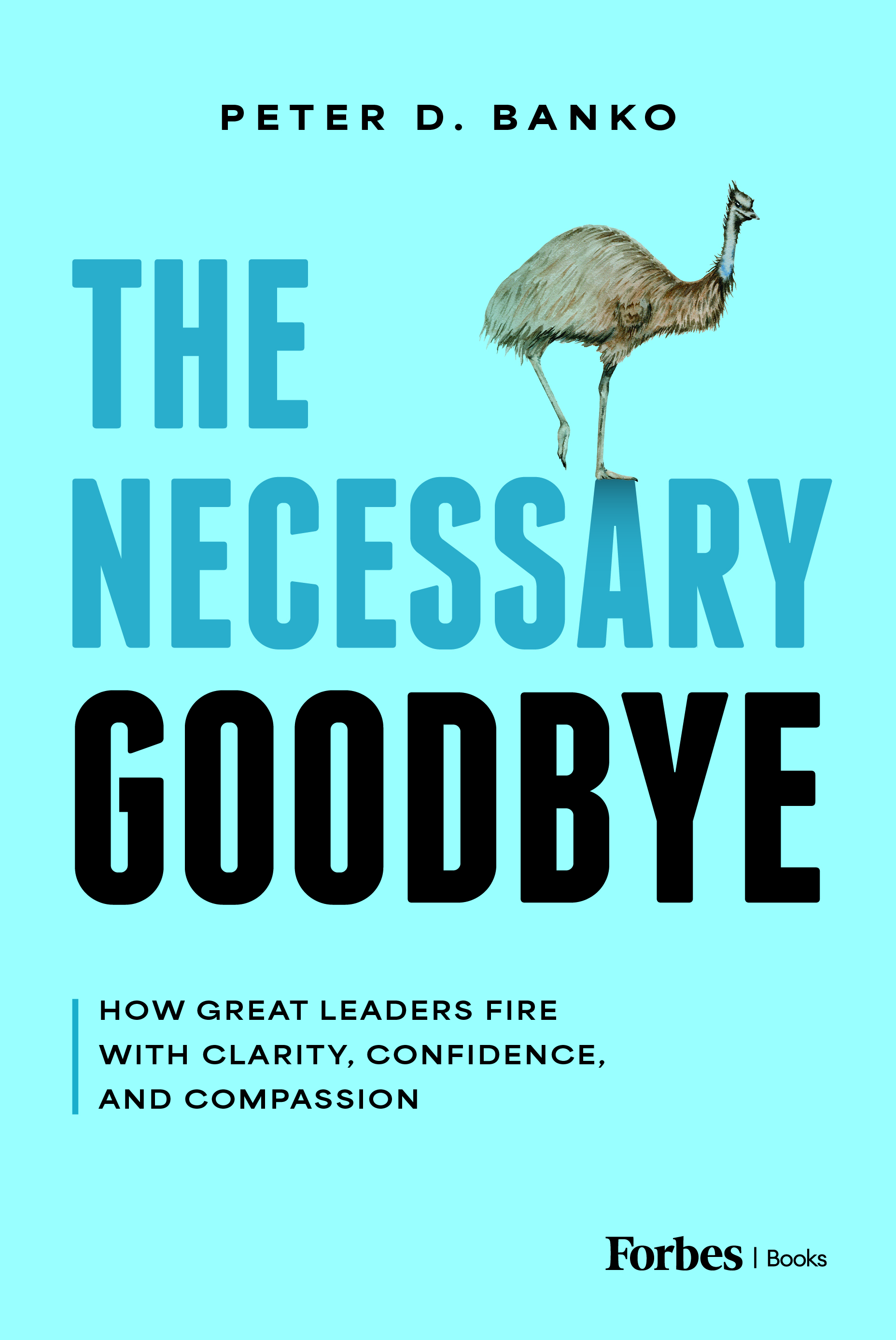
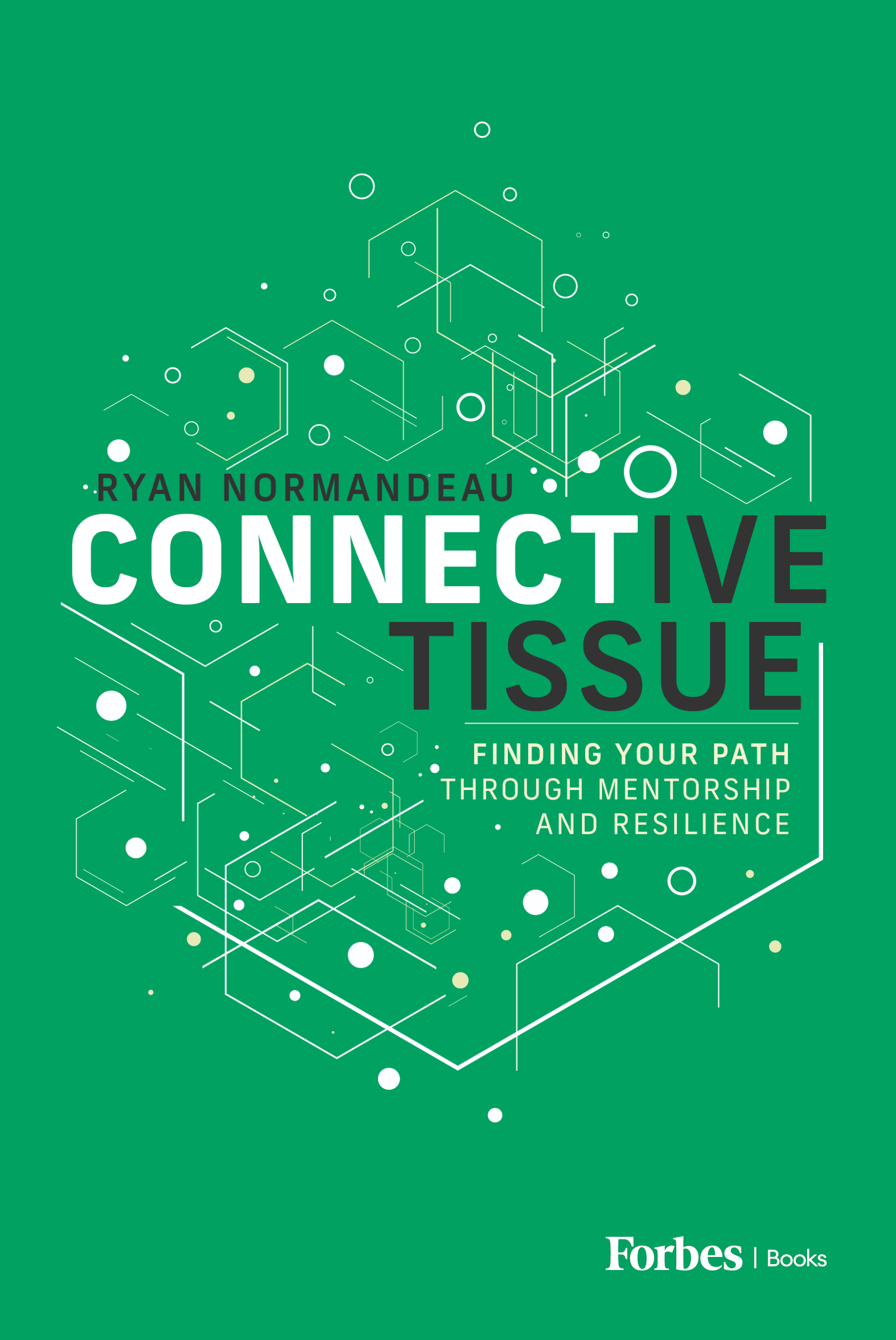


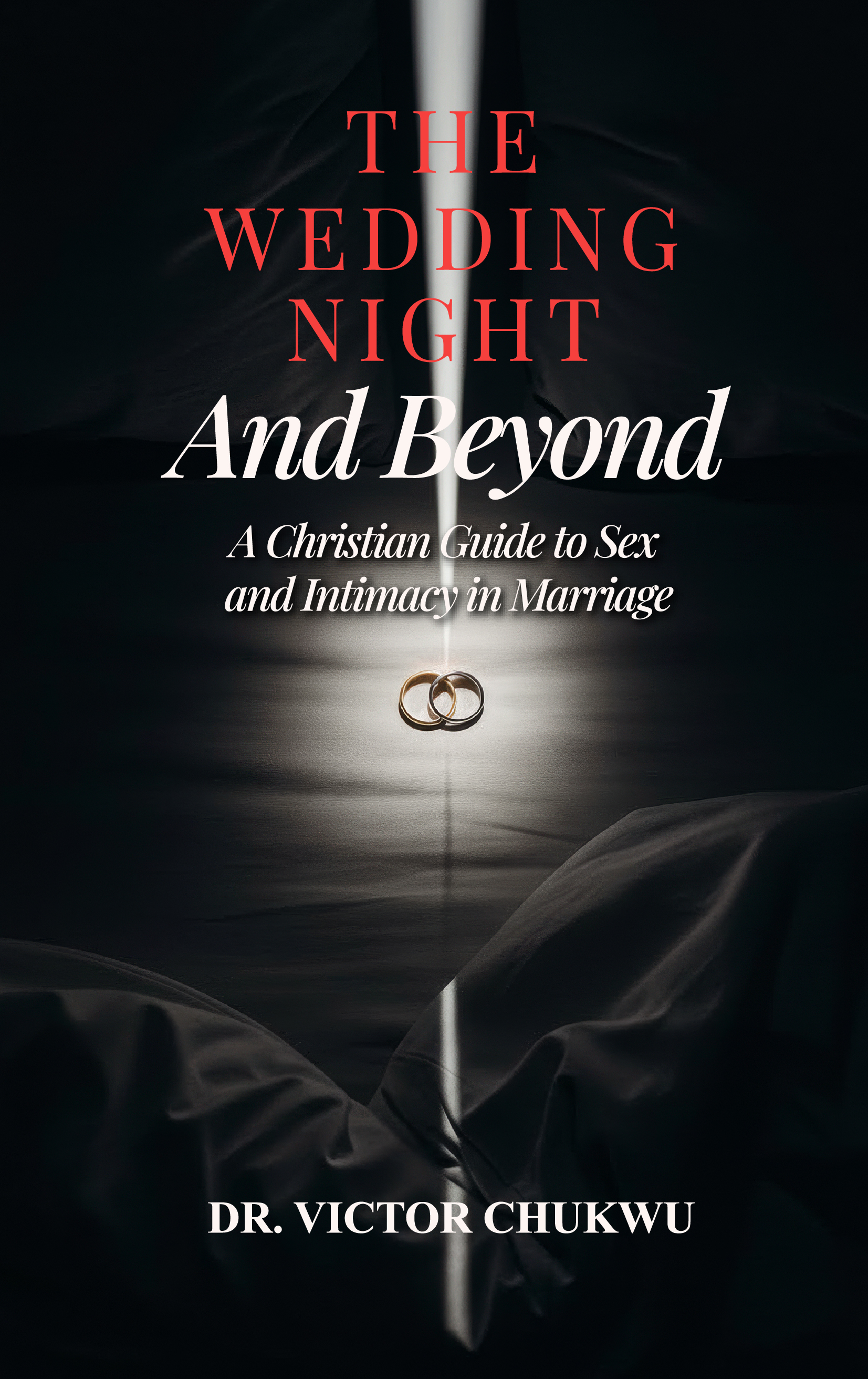
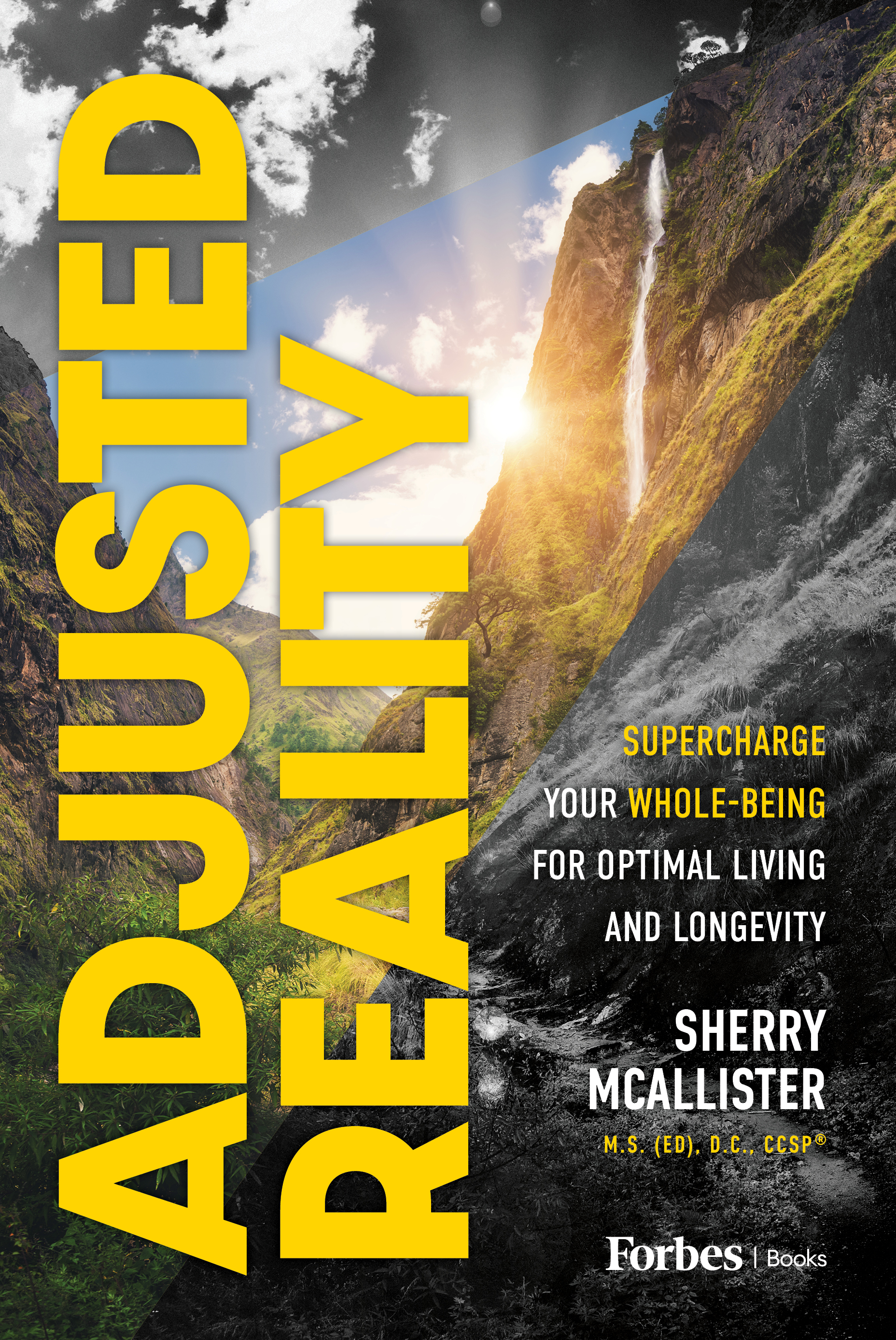
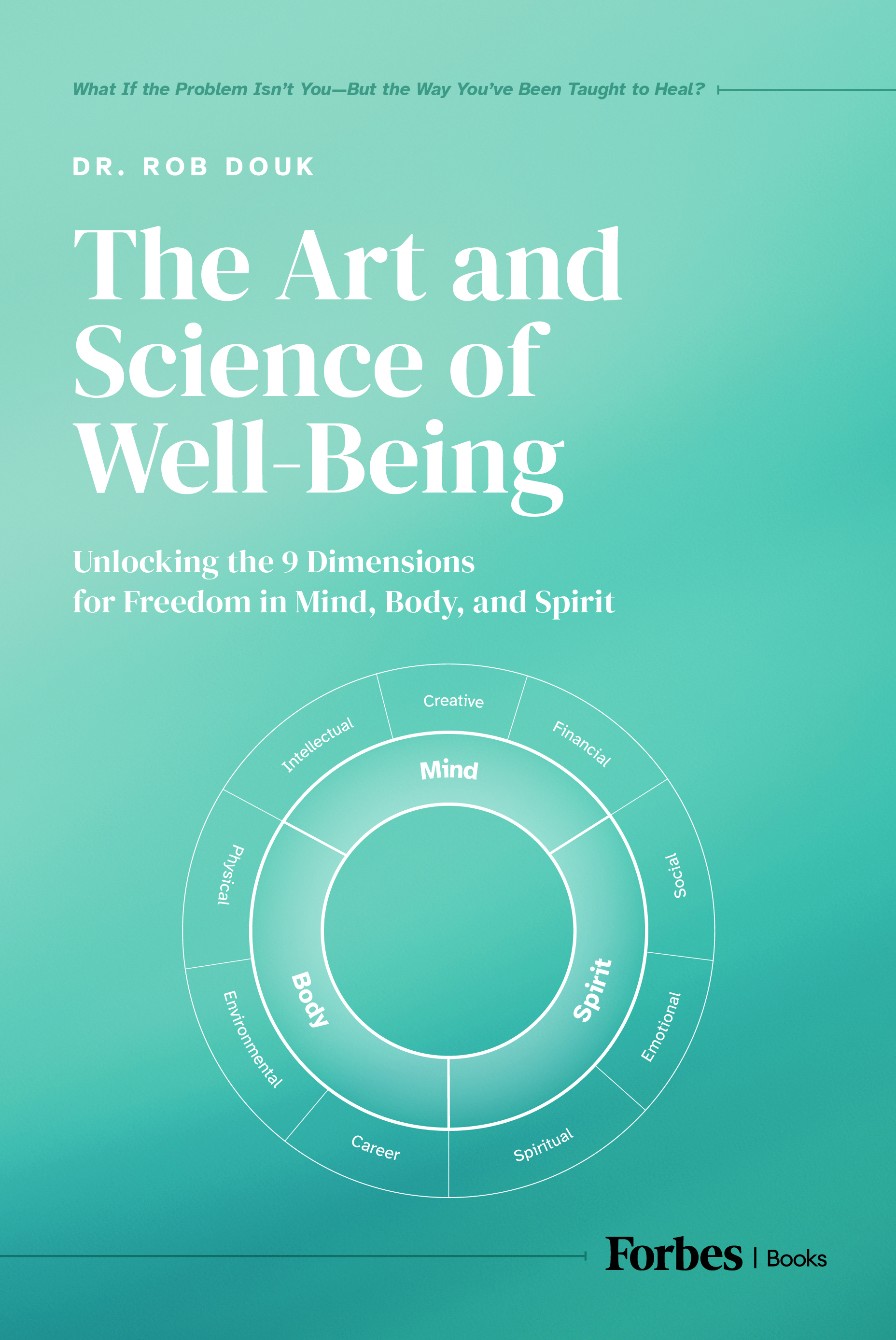
.jpg)
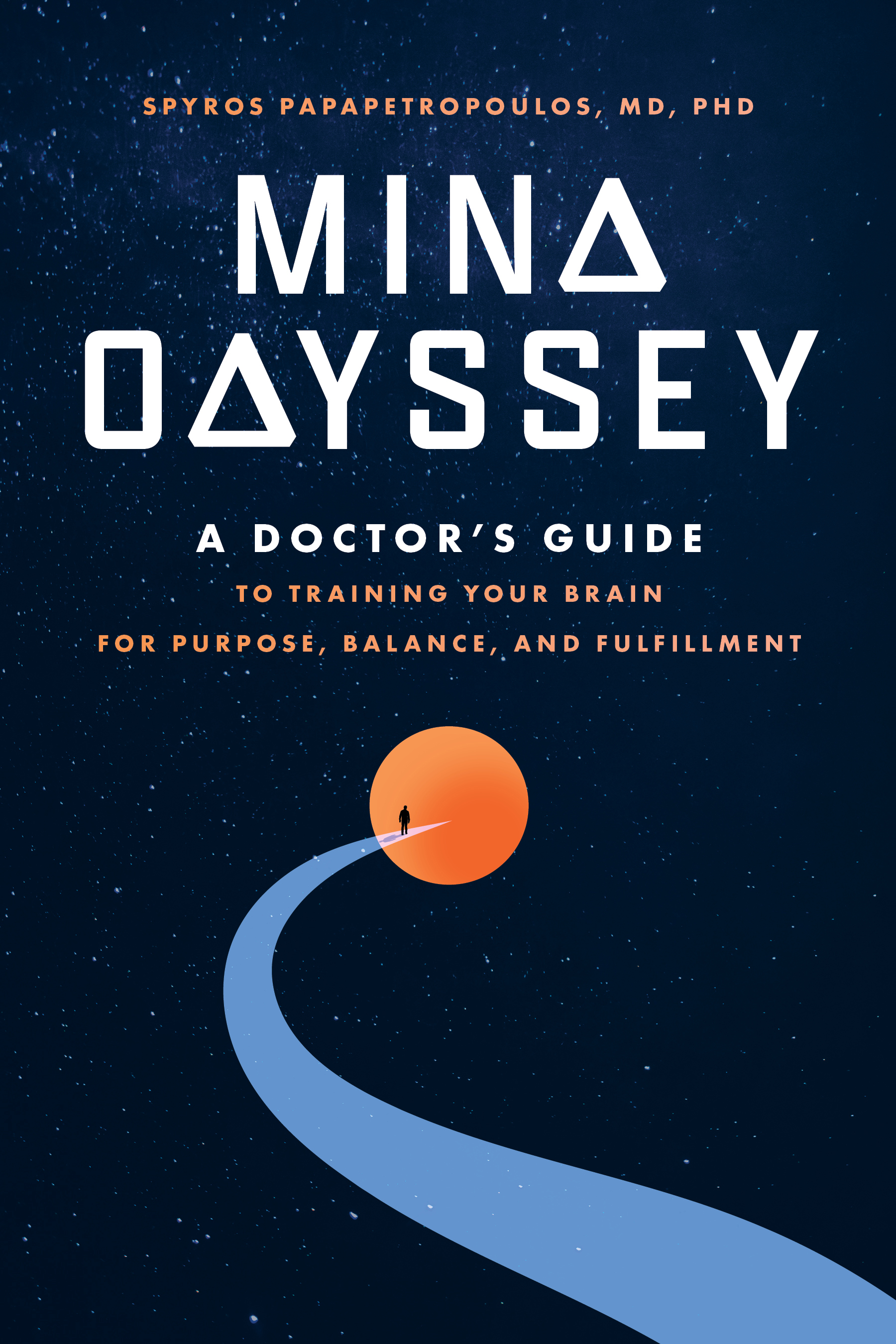
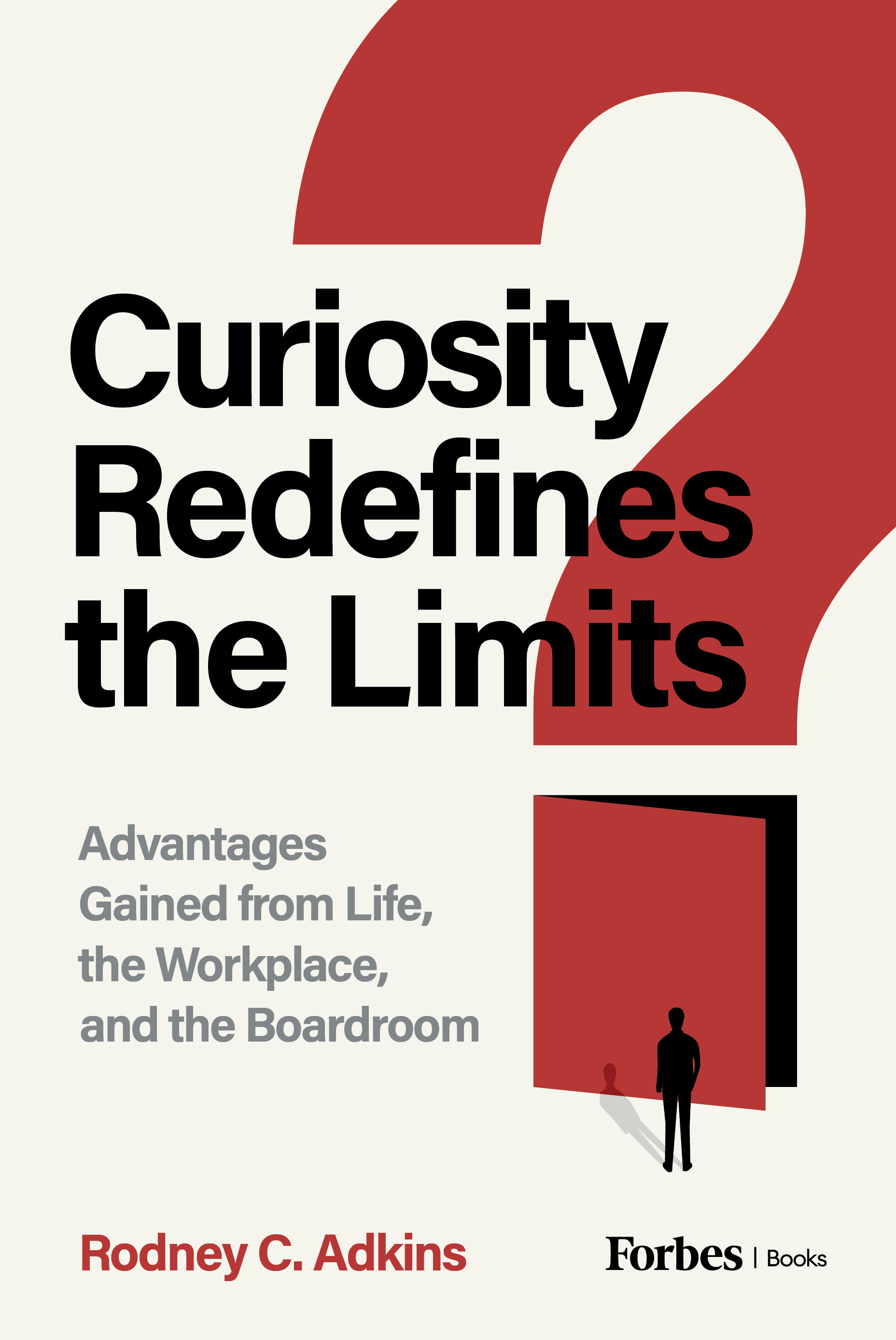
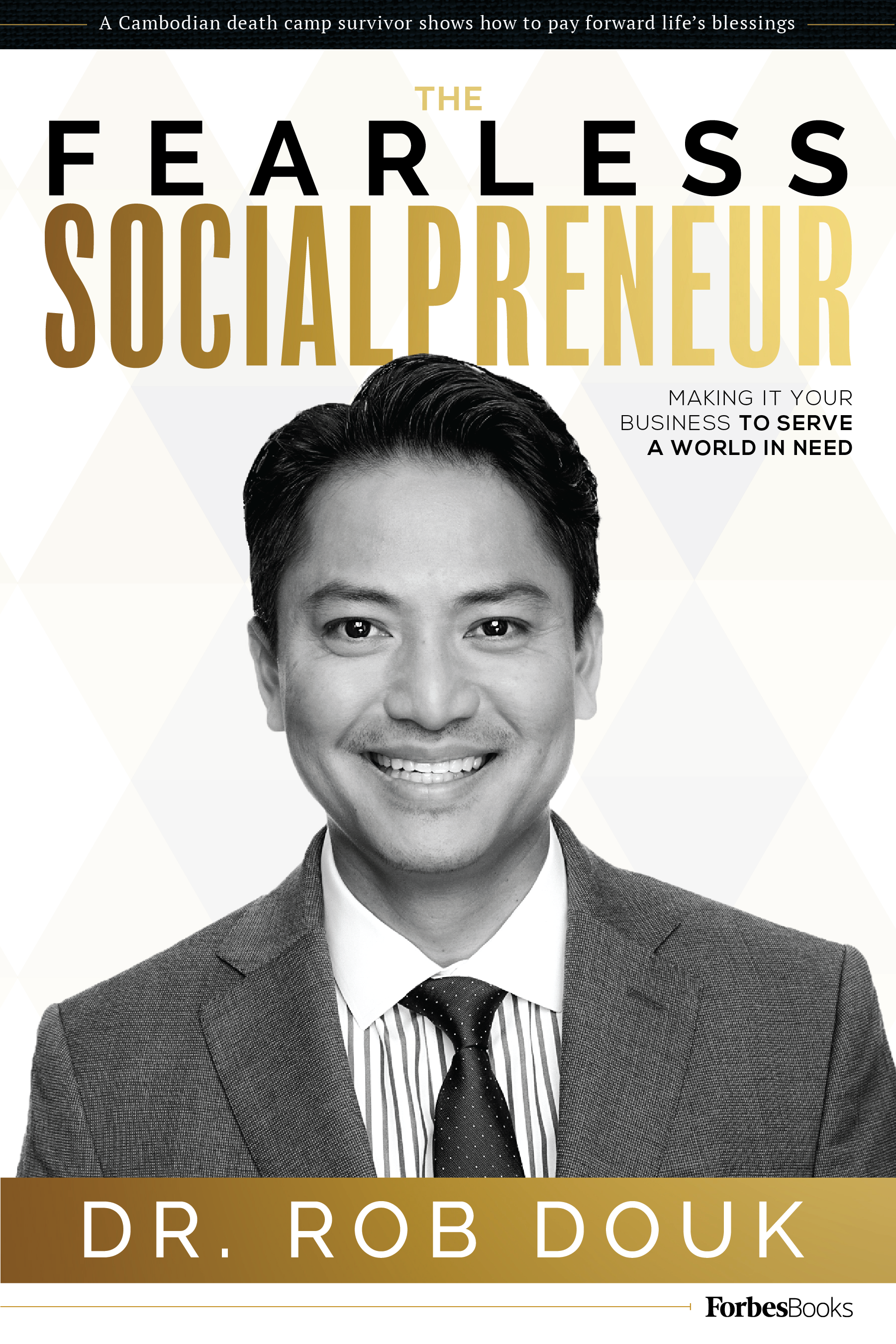
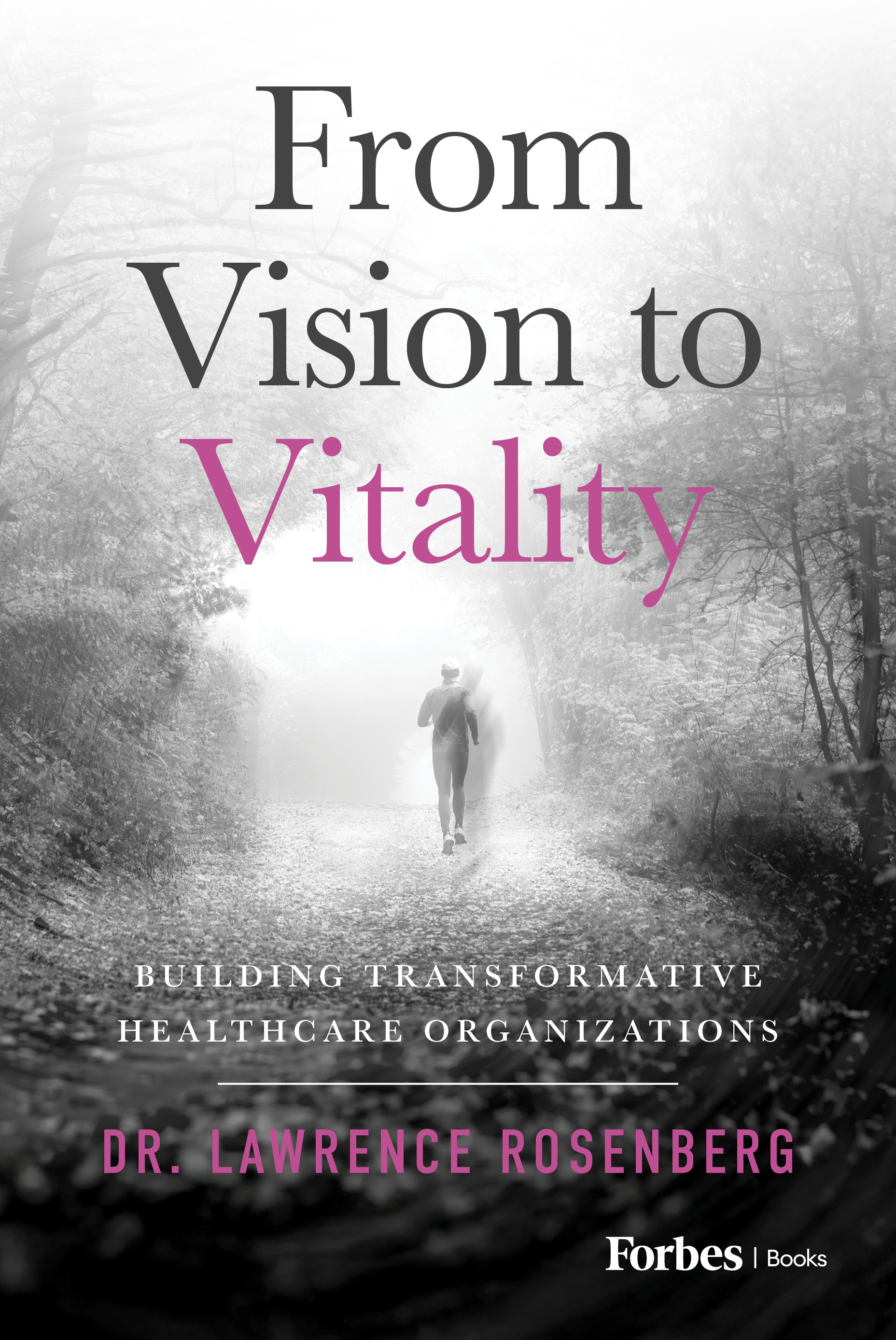

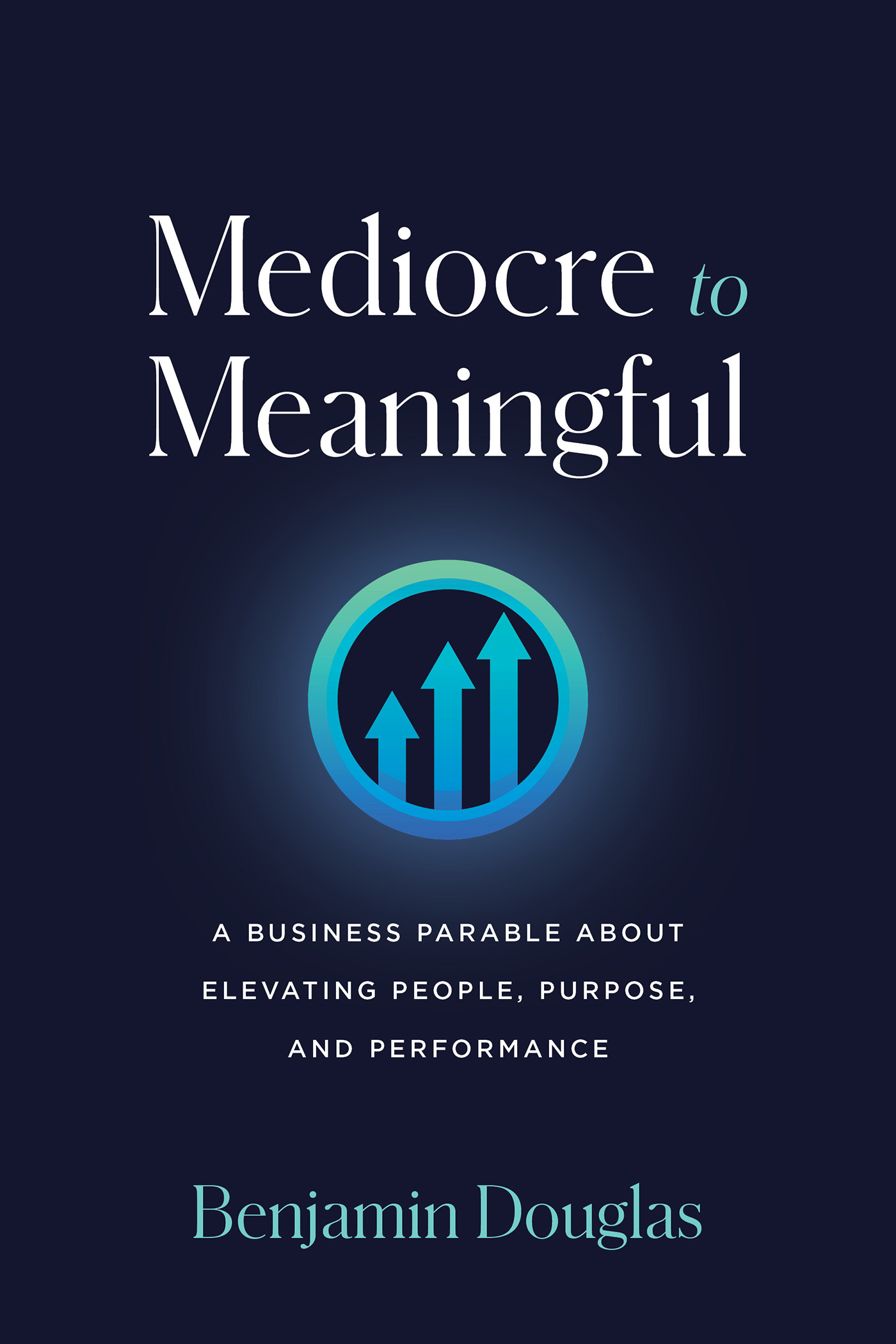



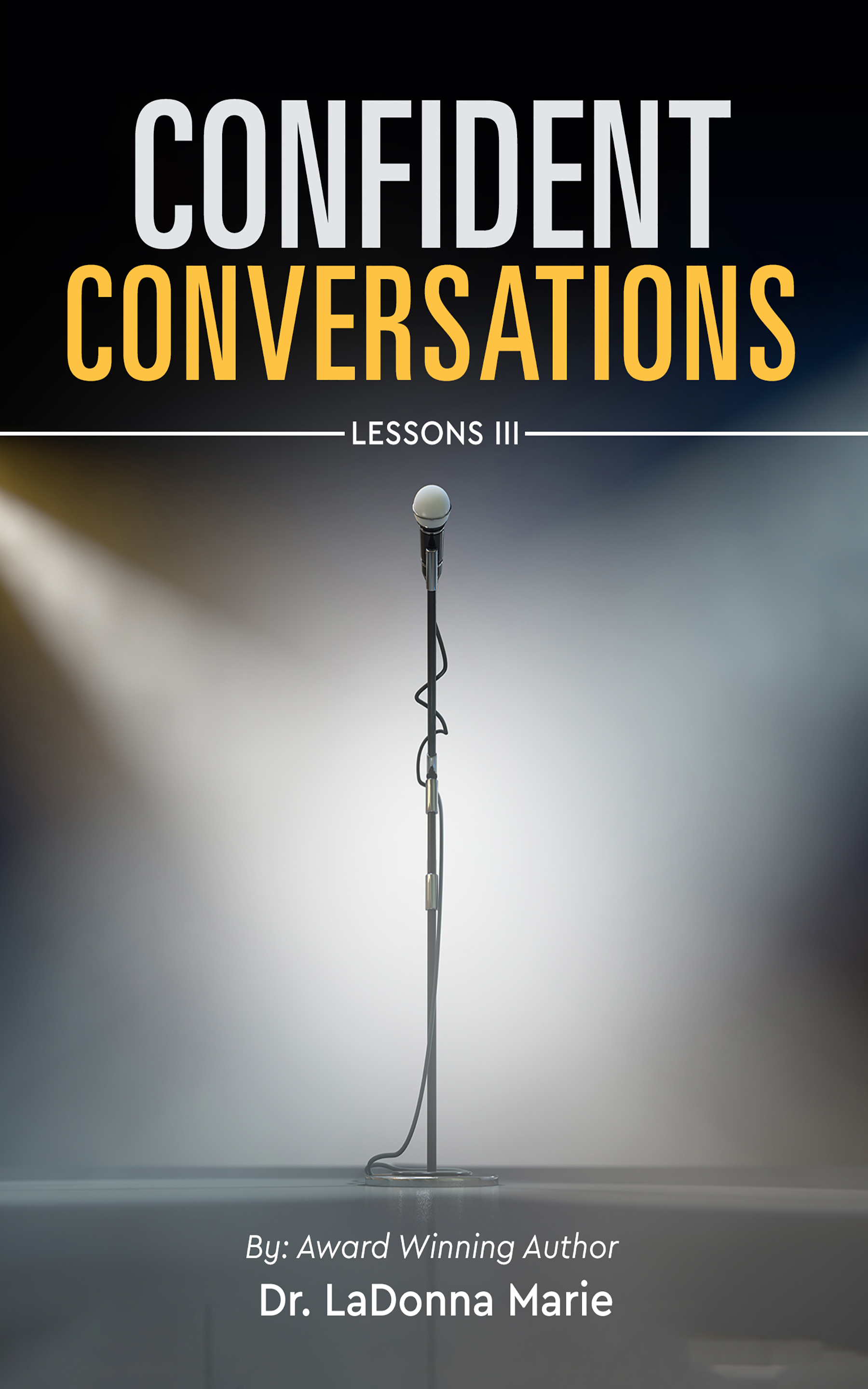
.jpg)
.jpg)








.jpg)




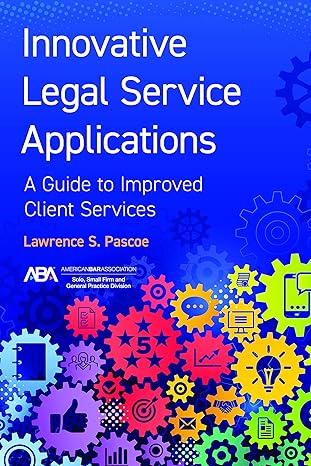
 (2).jpg)

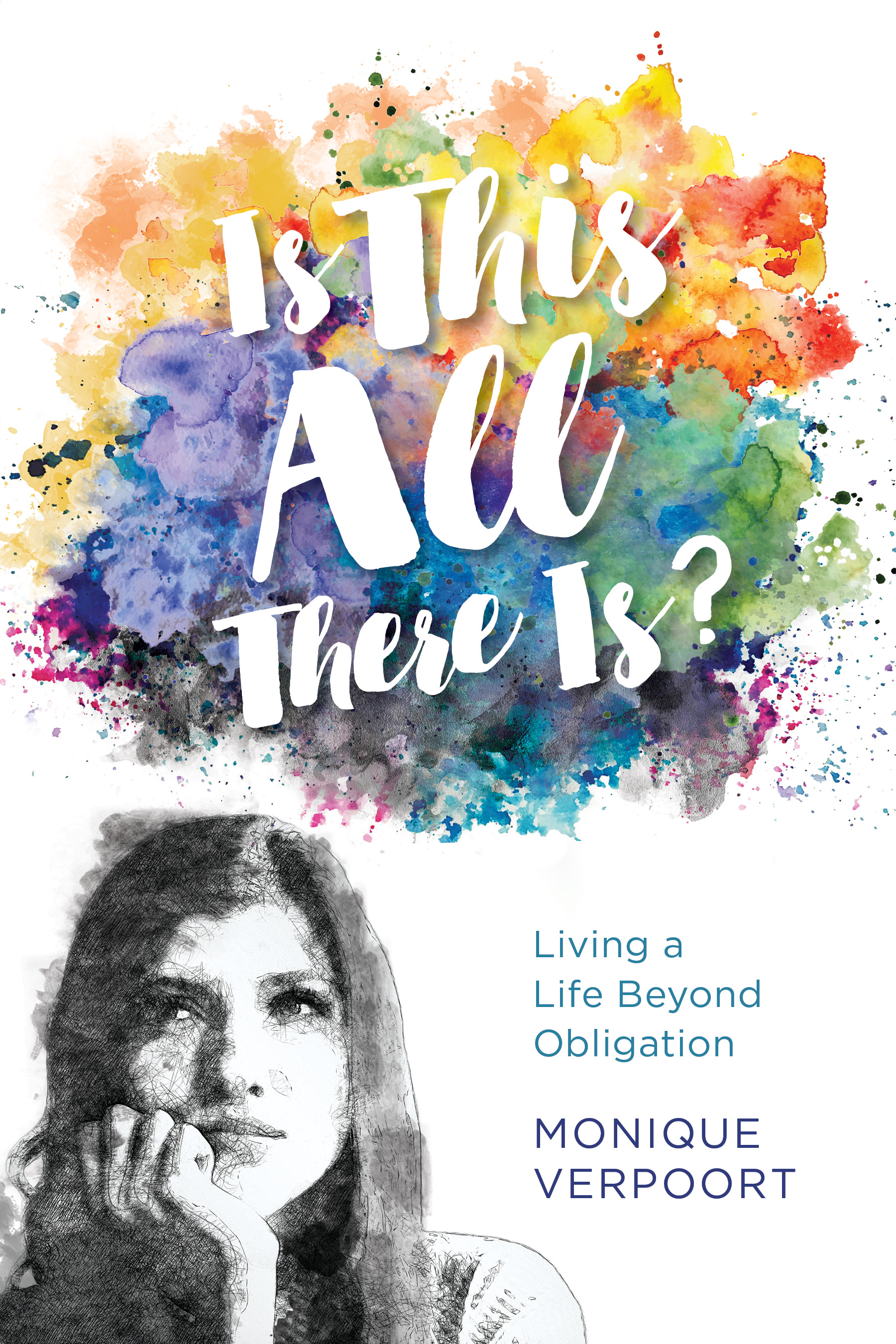
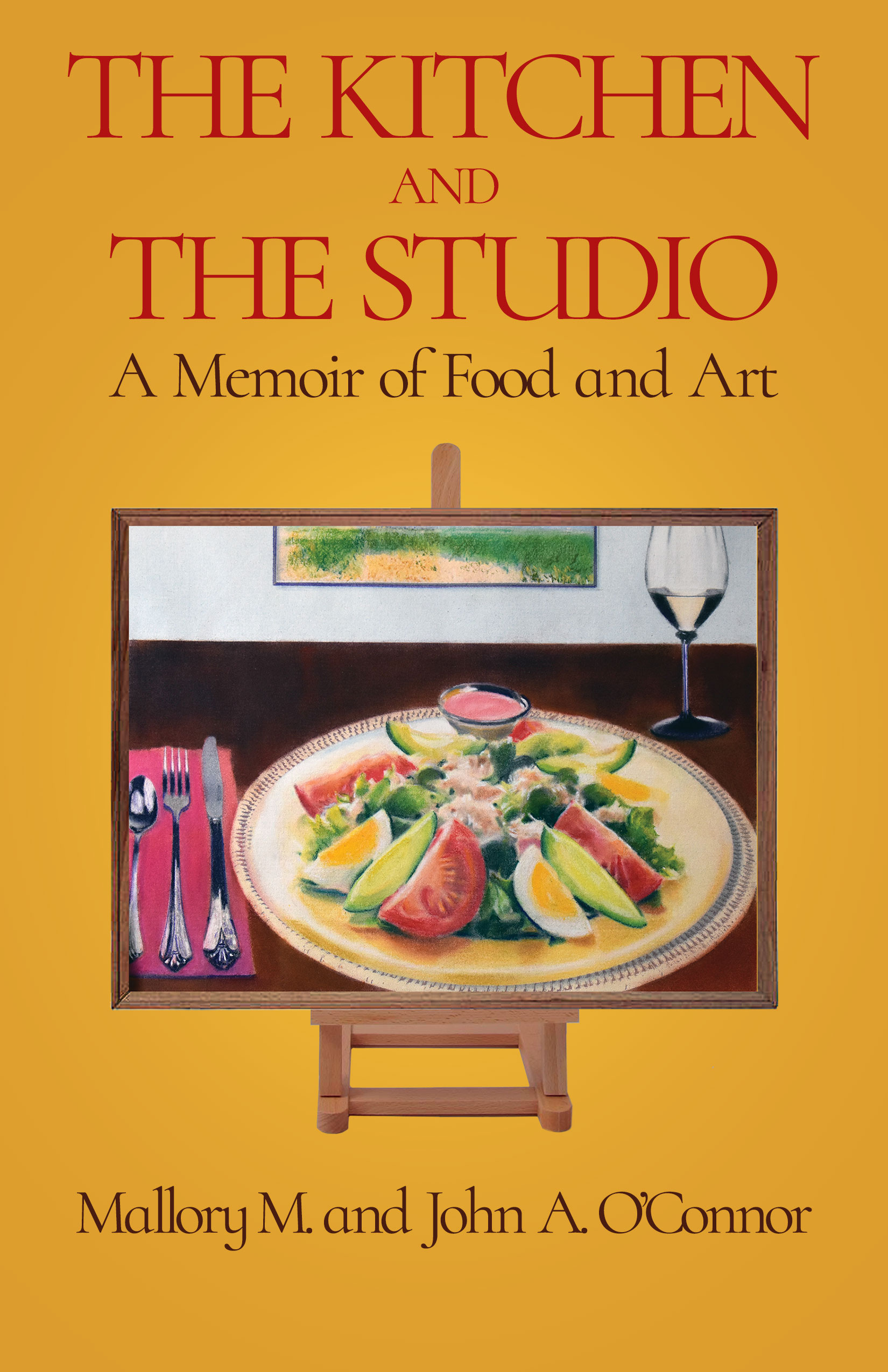
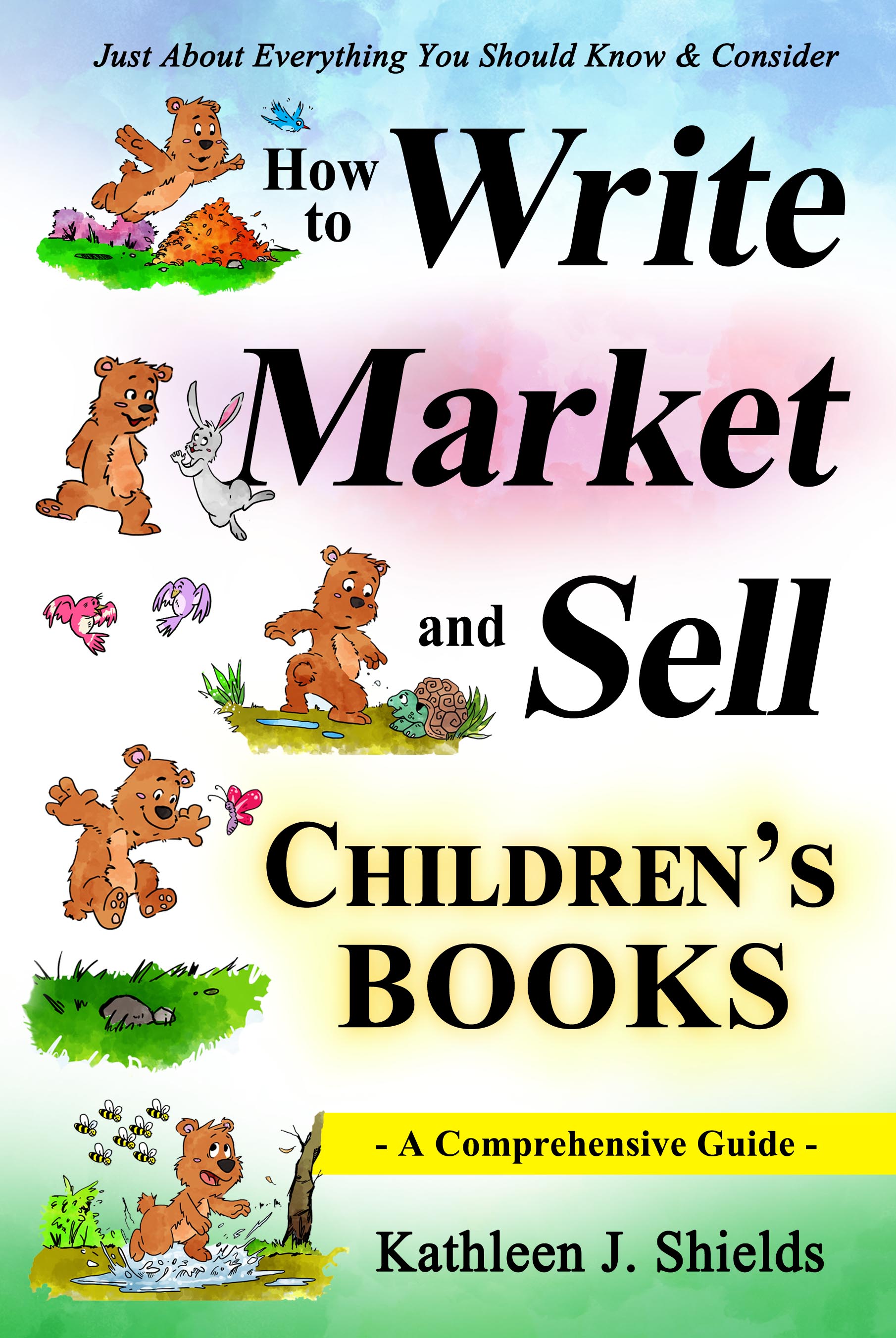
.jpg)







.jpg)



.jpg)

.jpg)







.jpeg)

.png)
 (1).jpg)

.jpg)


.jpg)